
Greenhouse automation with greenhouse climate control systems
On this page, we will provide a clear explanation of what a greenhouse climate control computer is. We’ll also discuss the advantages of greenhouse climate control systems, what greenhouse climate computers can do and how variables such as greenhouse temperature can be regulated keeping large fluctuations within boundaries.
We’ll highlight some important reasons why growers should consider implementing greenhouse control systems, the background information on the software and hardware of smart greenhouse computers.
Also, we will show what can be automatically controlled with a greenhouse climate control system and the steps towards autonomous greenhouses.
Let’s start with: What is greenhouse climate control?
Greenhouse control is the management and regulation of indoor environmental growing conditions in a greenhouse, so that plants can grow optimally and healthy. Greenhouses are structures designed to create a controlled environment for plants by manipulating factors such as temperature, humidity, light, and ventilation. So that, independent of outdoor conditions, crops can still be grown. Even in the winter or up north in Iceland, where tomato production in professional greenhouses would not have been possible without producing it in greenhouses.
Greenhouse controllers are used to maintain these factors within specific ranges to create an ideal growing environment for crops and flowers.
With a greenhouse climate control computer, a more stable growing environment can be created, which ensures a more constant and higher yield throughout the production cycle. Also, energy usage for heating, cooling, and lighting can be optimized with self-learning system algorithms of the latest greenhouse climate control systems. Whether you are growing crops in mid-tech plastic tunnels, high-tech glass greenhouses, or cultivating lettuce indoors with only artificial lighting, it can be said that using climate control greenhouse technology is essential to help you steer the growing environment.
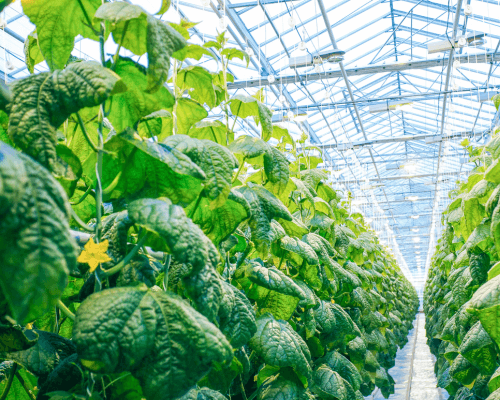
What are greenhouse climate control systems?
The climate in a greenhouse is managed by a greenhouse climate control system. Greenhouse climate control systems monitor and regulate factors in greenhouses so that plants can grow optimally. This is done by a central greenhouse climate computer and greenhouse controllers. Optimizing greenhouse production requires a smart approach, ensuring maximum yield and perfect crop quality. Achieving these goals involves comprehensive control over the greenhouse climate.
Low-tech
Low-cost crop production
Mid-tech
Improved productivity and efficiency
High-tech
Maximum yield and precise year round production
Since the first Dutch greenhouse climate computer was introduced over 50 years ago, smart greenhouse climate control systems have helped growers around the world grow profitable crops and ensure optimal growth of their crops in greenhouses. Nowadays, wireless-controlled greenhouse automation enables remote control, eliminating the need for on-site management.
Whether operating in a predominantly hot or cold winter climate, greenhouse temperature control systems empower growers to cultivate any greenhouse crop, anywhere in the world. To future-proof greenhouse businesses, Dutch greenhouse automation software and climate control greenhouse systems are continuously updated, providing a secure and smart system that uses the latest horticulture growth algorithms for optimal yield prediction and production.
What does it mean to grow crops in a controlled environment?
Growing crops in a controlled environment means that the crops are, to an extent, protected from the outdoor environment. The degree of protection depends on how modern the greenhouse is. In a controlled environment (in greenhouses or indoor climate chambers), the growing conditions are carefully regulated by using technologies like climate control, artificial lighting, and irrigation.
Growing in a controlled environment optimizes environmental factors such as temperature, humidity, and nutrient levels to enhance plant growth and productivity.
Growing crops indoors has many benefits, such as year-round cultivation of high-quality crops, reduction of pests and plant diseases, and increased efficiency of water and nutrient usage.
Why are greenhouse climate control systems being used by high yield growers?
Greenhouses with climate control are the standard in modern agricultural practices. In the Netherlands, 96%-98% of all greenhouses are equipped with a greenhouse control system.
In a computer-controlled greenhouse, the yield is easier to predict, based on the data tracked by sensors and human errors in greenhouse operation are reduced. In the Netherlands, a greenhouse climate control system is essential due to the extremely high operational costs. Ensuring that all environmental conditions are optimized contributes to the profitability of greenhouse businesses. Using a greenhouse climate computer automizes the greenhouse operation.
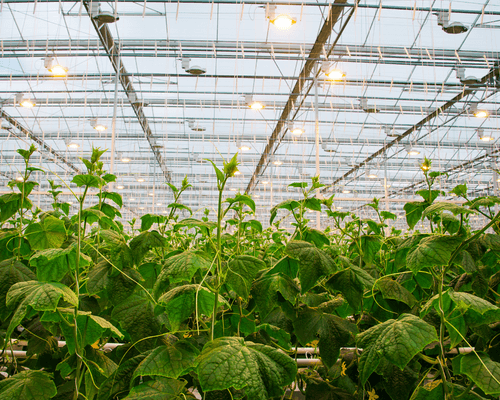
Dutch greenhouse climate control computers
Dutch expertise in greenhouse technology has positioned Dutch climate control computers as industry leaders, providing a sustainable and resource-efficient solution for the greenhouse horticulture sector. Dutch Greenhouse Climate control computers play a crucial role in optimizing environmental conditions for efficient plant growth in greenhouses around the world. Using Dutch greenhouse climate control systems can help you improve the growing environment and increase your yield.
However, this type of controller has limited abilities to efficiently control humidity or to increase energy efficiency in the greenhouse.
Switching from low-tech greenhouses to mid-tech greenhouses with the use of greenhouse climate control systems can professionalize and optimalize the greenhouse operation.
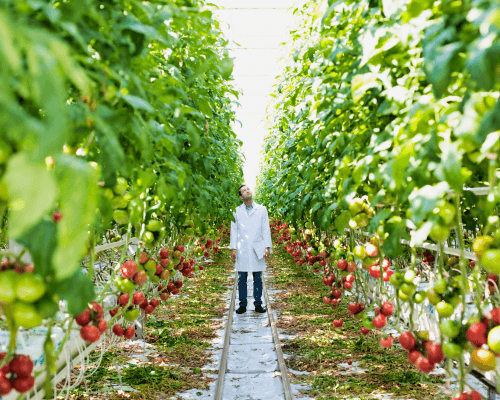
What types of greenhouse climate control computers exist?
There are different types of greenhouse climate control computers available on the market. The choice of the best greenhouse computer system depends on the size of the greenhouse and how modern the greenhouse is—the level of technologies implemented in the greenhouse.
All climate computers receive data from sensors to measure the prevailing greenhouse conditions. A more advanced version of the greenhouse computer also measures different plant parameters and uses optimization models and weather predictions to create a better growing environment for greenhouse crops while reducing the usage of energy.
For a small, low-tech greenhouse, a simple greenhouse controller to turn on/off the lights or to switch on/off the heating might not be enough.
However, this type of controller has limited abilities to efficiently control humidity or to increase energy efficiency in the greenhouse.
Switching from low-tech greenhouses to mid-tech greenhouses with the use of greenhouse climate control systems can professionalize and optimalize the greenhouse operation.
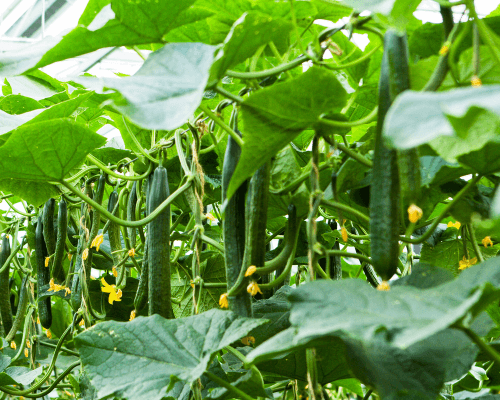
How to apply automatic climate control to optimize greenhouse environmental conditions?
To answer the question, “How do greenhouses control climate?”, the answer for commercial greenhouses is often simple: they[...]
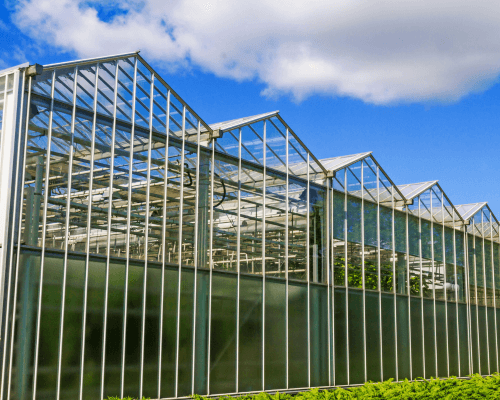
6 Benefits of Controlled Environment Agriculture (CEA) compared with open field production
1) Less dependent on outdoor environmental conditions A major benefit of a controlled environment in agriculture is[...]
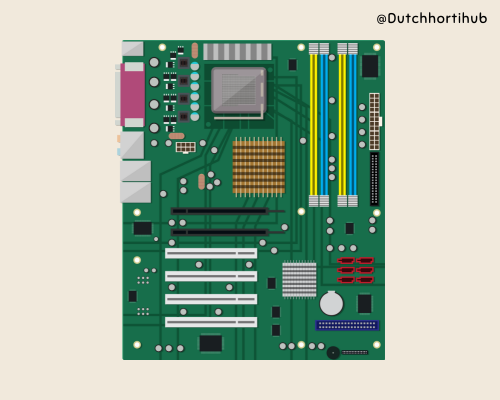
Question of the day: “How do Greenhouse Climate Computers work?”
Greenhouse climate control has evolved in the last 50 years from controlling the environment manually to digitally. The[...]
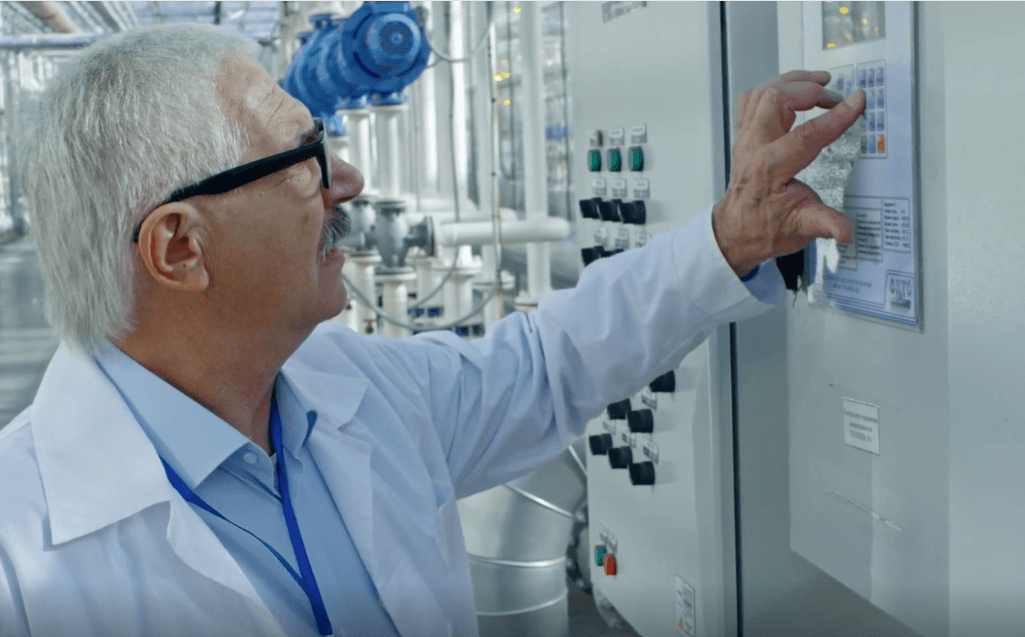
Why would a grower need a greenhouse climate control system? With example
Imagine yourself as a tomato grower in a modern glass greenhouse of a 2-hectare (100m x 200m =[...]

Insights on future-proof indoor agriculture, applying data driven growing in smart greenhouses
Applying a data-driven growing approach in greenhouses can be a solution to improve the quality of the final[...]
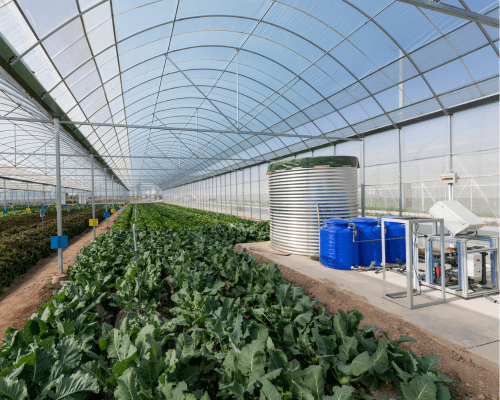
Question of the day: “What can Greenhouse Environmental Control Systems control?”
You might wonder: what can a climate computer actually control? Depending on the level of advancement of the[...]
4 common types of sensors used in greenhouses
For a climate computer to make accurate predictions and decisions, it needs to be able to receive data from[...]