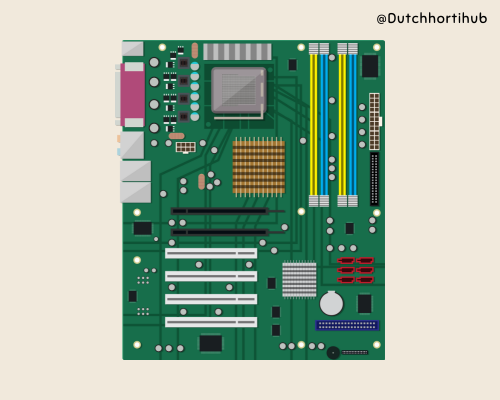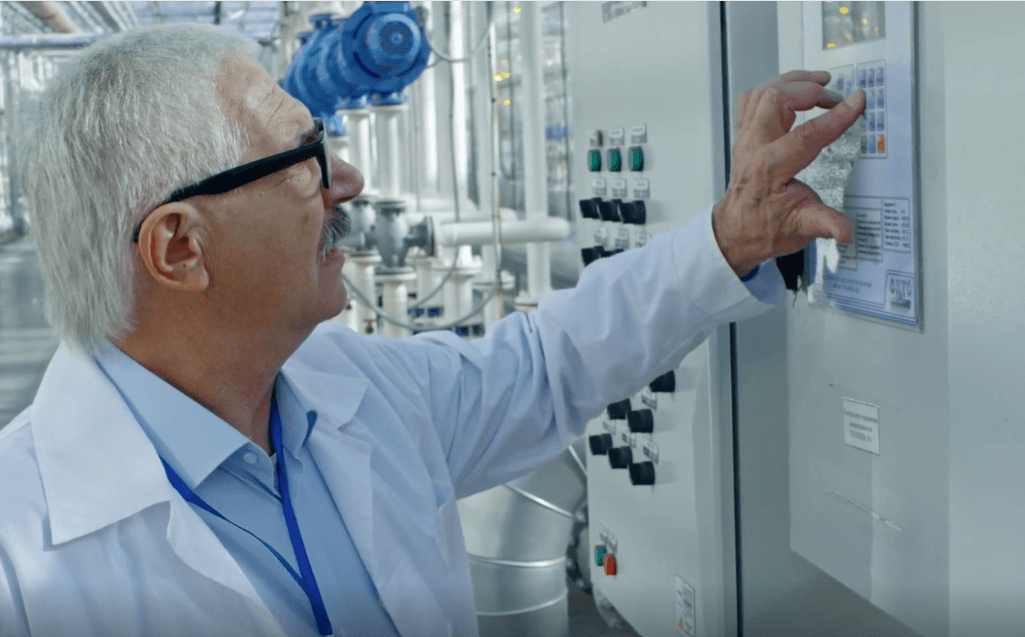
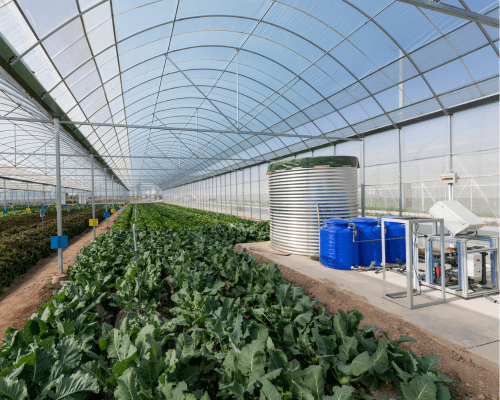
You might wonder: what can a climate computer actually control? Depending on the level of advancement of the greenhouse climate control computer, the below-mentioned elements can be regulated.
The more elements the greenhouse climate control system can regulate in the greenhouse, the more automated the greenhouse becomes.
Since climate control in greenhouses is a crucial factor for productivity, it is wise to consult with the company providing the greenhouse environmental control system to determine which one would be the most suitable for your greenhouse.
The decision is also based on the amount of compartments the greenhouse has. Some examples of possible elements include:
1) Greenhouse growing climate
- Greenhouse temperature control (heating elements)
- Crop temperature control (sensing leaf temperature with appropriate sensors)
- Greenhouse humidity control (misting, evaporative pads)
- Greenhouse ventilation control (fans)
- Air treatment per compartment
2) Energy regulation in the greenhouse
- Boiler for heat and heat management (e.g.: starting/stopping)
- Heat pump
- Heat buffer (controlling: charge/discharge strategy, pumps, valves_
- Heat exchanger
- Outdoor Aquifer
- Management of total energy usage (to minimize energy cost/peak load)
2) Water
- Water silos
- Hydroponic water system (pH, EC)
- Disinfection of reused nutrient water
- Pretreatment of water
- Irrigation valves
Separated irrigation control computers
Besides climate control computers, separate irrigation control computers also exist. They can work independently or in combination with climate control computers. With an irrigation control computer, the right nutrient recipe for each crop can be provided. Additionally, the pH of the hydroponic nutrient solution and the EC level of the irrigation water can be regulated.
Copy the link of this article in 1 click:
Related Posts

About the Author: Yasmin