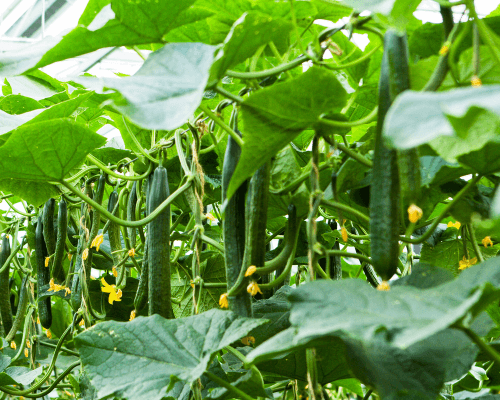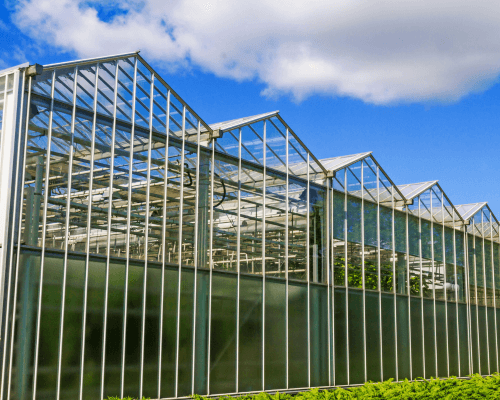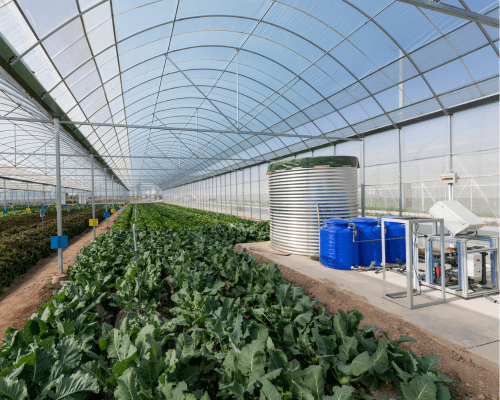
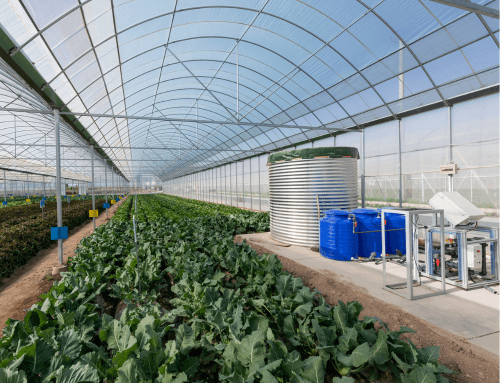
Imagine yourself as a tomato grower in a modern glass greenhouse of a 2-hectare (100m x 200m = 20.000 m2) hydroponics farm, cultivating tomatoes in the US without any climate control system. Around you, there are young vine tomato plants growing nicely in rows.
To grow tomatoes optimally throughout the year, your greenhouse is equipped with LED lights for artificial lighting, CO₂ to maintain a high photosynthesis rate, misting to control humidity levels, fans and roof windows for temperature regulation, and heating when needed.
Energy screens are also installed to reduce incoming radiation, preventing overheating and loss of heat during cold evenings. The greenhouse water and nutrient regulator connected to the hydroponic system ensure the tomato plants receive sufficient clean water and nutrients for their roots. The final yield of these tomato plants is highly sensitive to environmental changes, so the growing conditions should be as best as possible if you want to achieve a high yield.
In this 2 hectares tomato greenhouse, there is only you to control the growing climate conditions.
Depending on the day and weather conditions, you need to decide by yourself whether and when the windows should be opened, how much CO2 should be given in the greenhouse, when the LED lights should be turned on, when you should start misting the greenhouse to keep the humidity level optimal, whether it is a good idea or not to open the energy screens, how much more nutrient you should give to the plants….. and the list goes on…….
Would you have the time and want to take on all these responsibilities, decision-making and behind the buttons at the right time to switch on the equipment manually, all of which contribute to determining the final yield of the tomato plants? Especially when you know that every bad decision will cost your farm money?
Probably not. Also, regulating all these things in the greenhouse by yourself would cost you a lot of time. Most of the time, you would be making choices based on the guesses you made about the greenhouse conditions and not on the actual greenhouse condition.
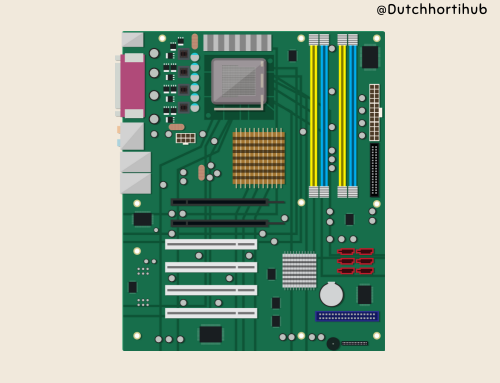
What if there was a computer regulating all these things in the greenhouse based on sensor inputs?
It would turn the lights on based on the light intensity, provide the exact amount of CO₂ throughout the day to prevent fluctuations, deliver the optimal amount of nutrients to the tomato roots for growth, heat the greenhouse only when needed, and use smart algorithms based on collected data to make reliable, data-driven decisions.
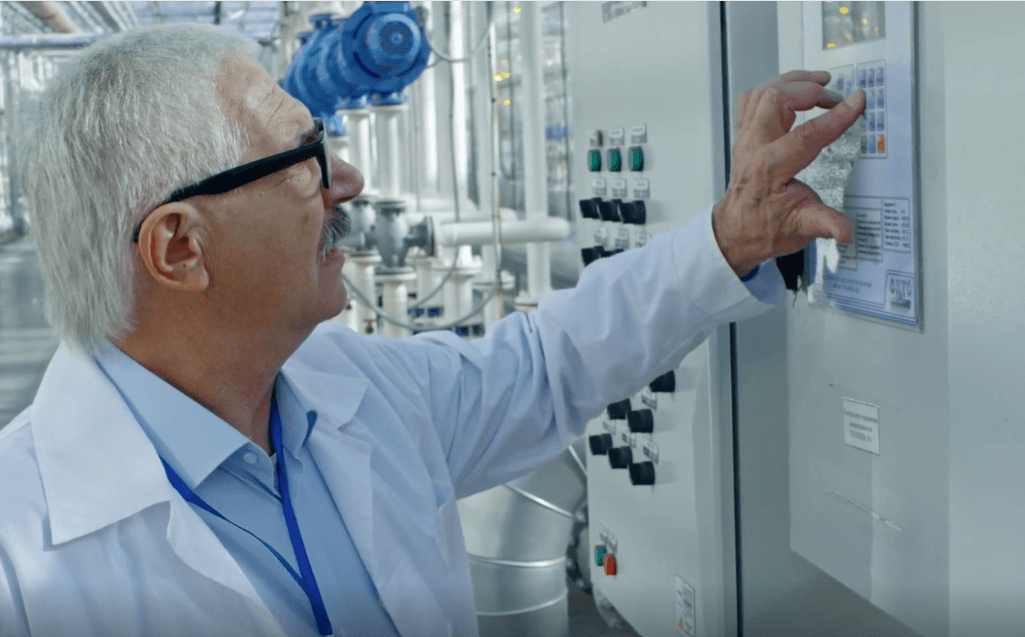
Thankfully, in the current modern world, and these smart greenhouse climate control computers do exist, and they make climate controlled greenhouses possible.
Greenhouse climate control systems are available for small, medium, and large sized greenhouses. Making use of climate control greenhouse technologies is investing in the current and future profitability of the greenhouse.
Benefits of climate control systems: saving time, money, labour hours + improved yields
Instead of running around the greenhouse to regulate all the different elements and making uncertain decisions throughout the day, you can now sit behind a laptop with a nice cup of coffee in the greenhouse and observe the smart climate control computer managing all those events for you.
With a greenhouse climate control system, tomato crops can grow optimally 24/7 with reduced human effort and errors. This allows you to focus more on other aspects of greenhouse management.
Copy the link of this article in 1 click:
Related Posts
About the Author: Yasmin