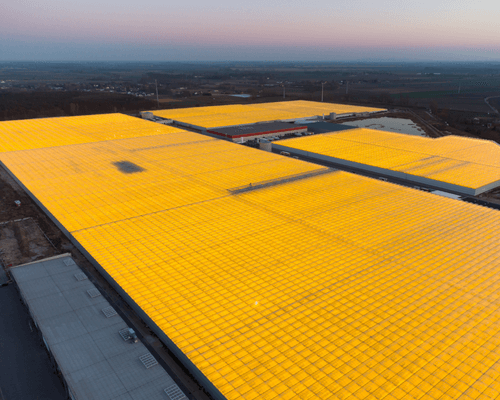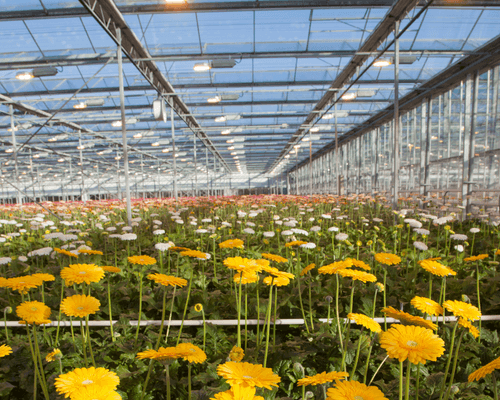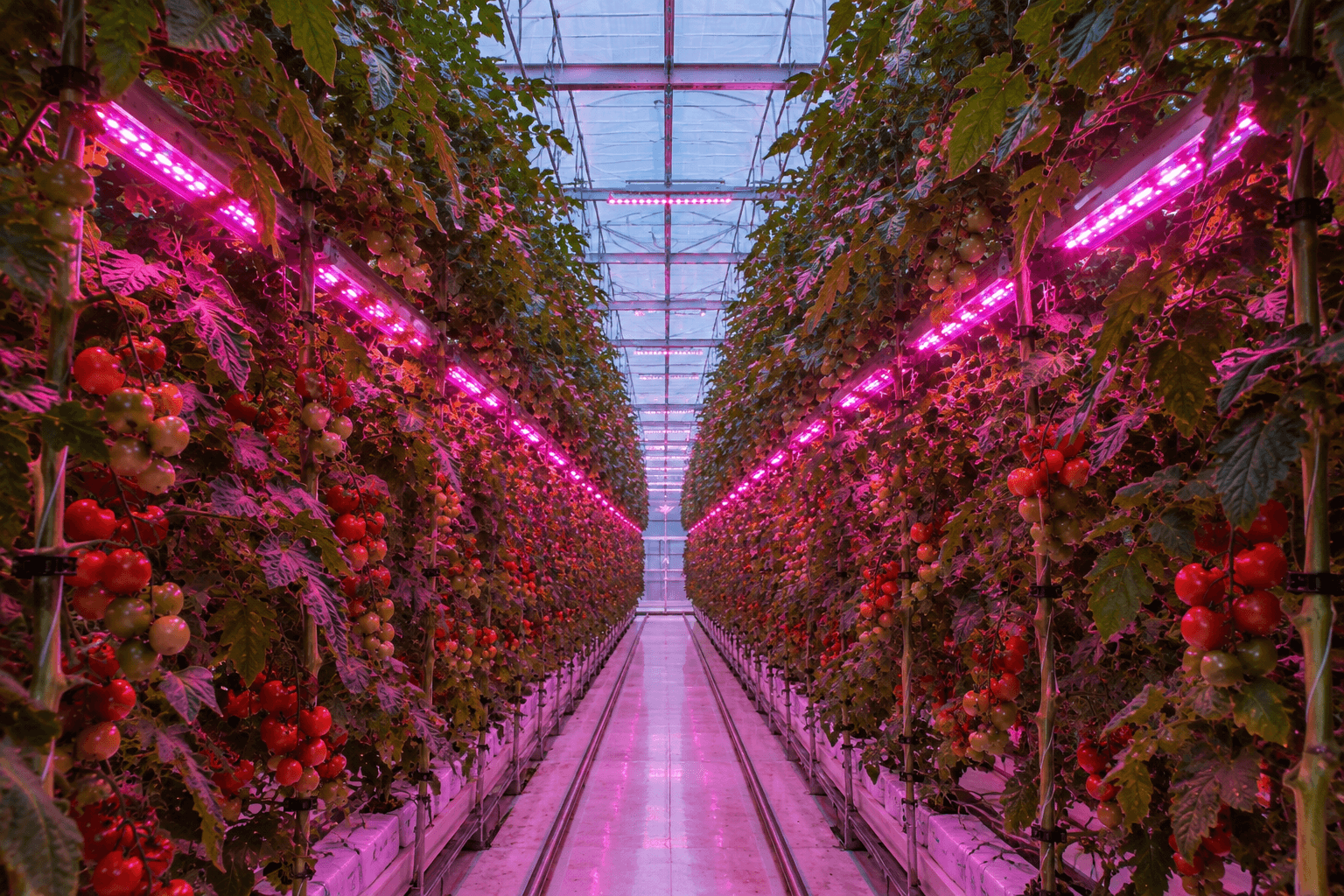
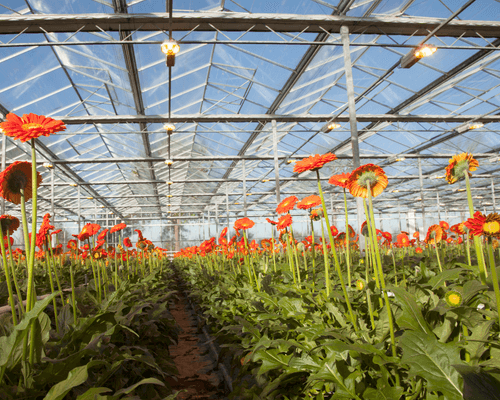
Supplemental lighting is used in greenhouses to promote plant growth, as sunlight throughout the day might not be enough to create an optimal growing environment for the crops. As long as the correct light spectrum is used, artificial lighting triggers the photoreceptors in the leaves in the same way as sunlight to drive photosynthesis.
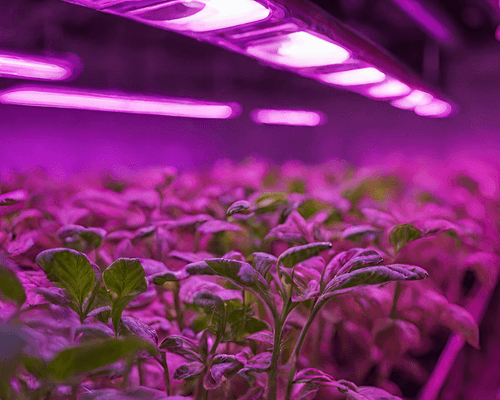
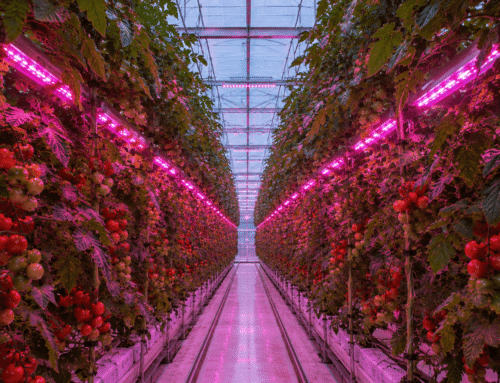
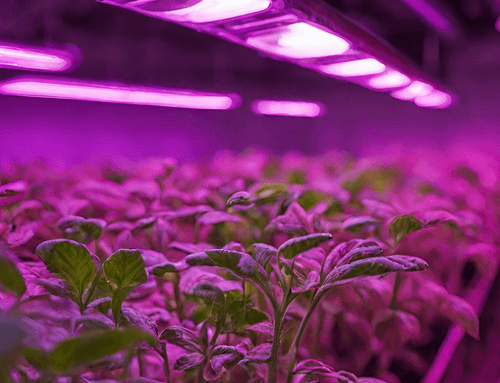
In vertical farming, no sunlight is being used to produce crops such as lettuce, kale, and tomatoes. The plants depend entirely on supplemental lighting in vertical farms. Please note that this is a very energy-consuming way to grow crops.
Benefit: Indoor greenhouses with supplemental lighting produce higher yields
Supplemental lighting is used in greenhouses to promote plant growth, as sunlight throughout the day might not be enough to create an optimal growing environment for the crops. Supplemental lighting can provide more light to the plants, which contributes towards a higher biomass production.
As long as the correct light spectrum is used, artificial lighting triggers the photoreceptors to drive photosynthesis.
In vertical farming, no sunlight is being used to produce crops such as lettuce, kale, and tomatoes. The plants depend entirely on supplemental lighting in vertical farms. Please note that this is a very energy-consuming way to grow crops.
Benefit: improving flavour and quality with sufficient lighting
Flavour of products is also associated with the amount of available light during the growing period. There are even research signs that poor flavour quality of some greenhouse crops is affected by low light intensity.
For strawberry and tomatoes, for example, the fruits will be sweeter and have a higher dry matter content if they are grown in full light compared to those growing in limited light conditions.
With the option to switch on the plant lights when needed in the greenhouse, the growing environment can be more precisely controlled, resulting in the cultivation of higher-quality plants
Copy the link of this article in 1 click:
Related Posts

About the Author: Yasmin