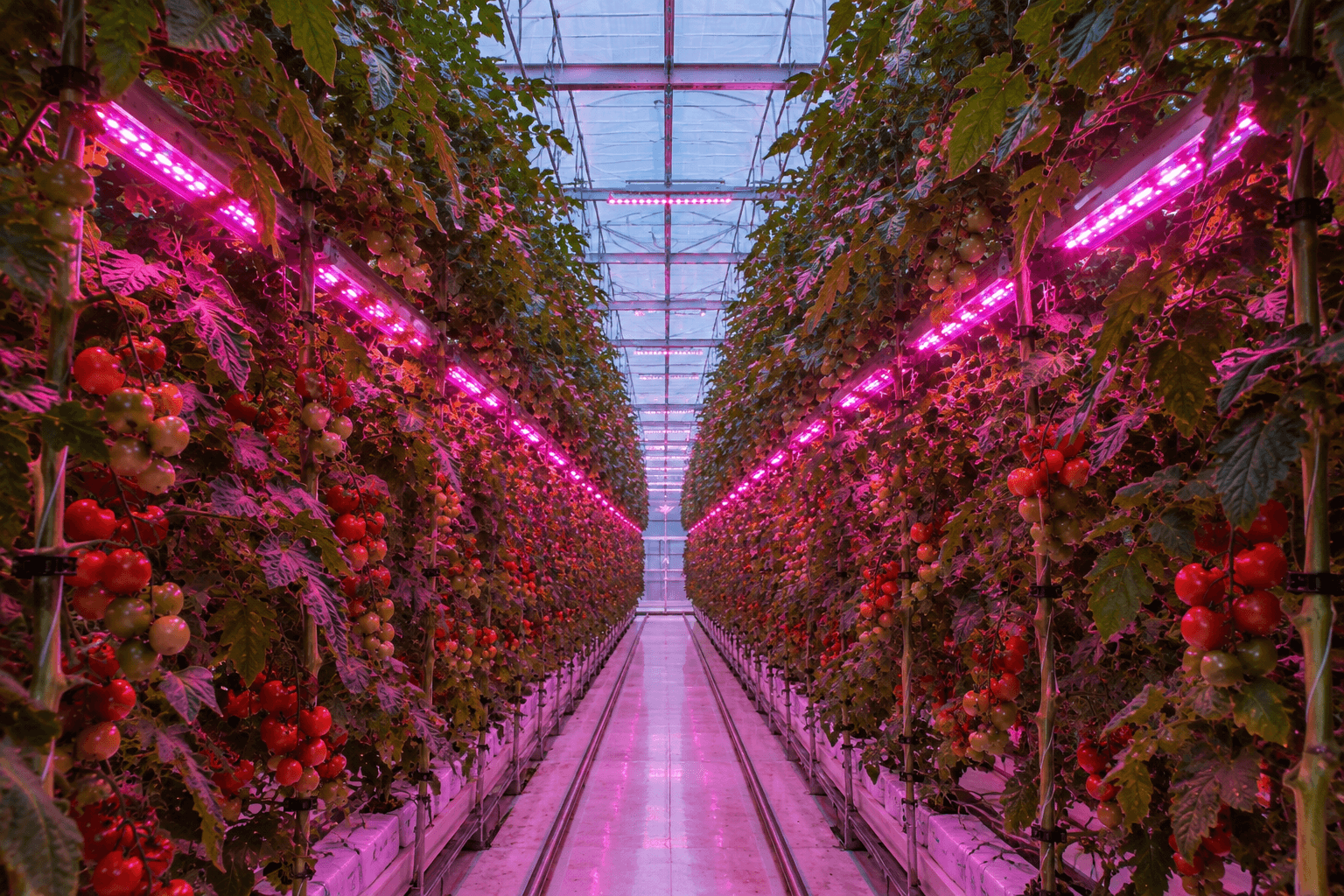
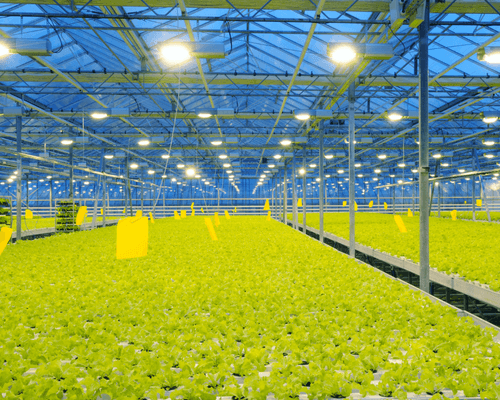
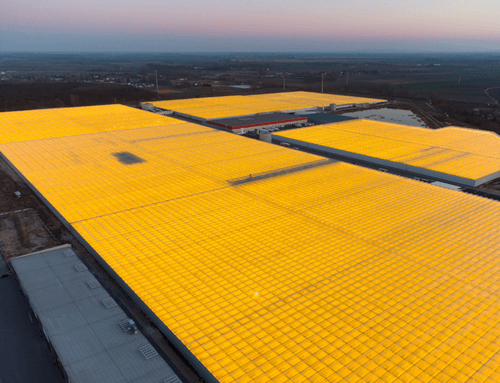
Choosing the right greenhouse lighting is not only crucial for determining the success of plant growth and the eventual yield but also for the profitability of the greenhouse business.
While greenhouse lighting represents a major operational cost, it significantly contributes to yield improvement. Below, we will provide 5 reasons and elaborate in detail why choosing the right grow lights for plants is important so you can make better decisions in the future:
1) Specific wavelength needed for photosynthesis:
Not all types of lamps are suitable for efficient plant growth. Plants rely on the process of photosynthesis to convert light into energy, which can be used by the plants to grow. Different types of lights emit varying wavelengths of light. You need lights that have wavelengths that can be used by the plants to drive photosynthesis.
As explained above, plants can only use “photosynthetically active radiation”(PAR) (400-700 nm (nanometers) for photosynthesis. So, grow lamps that have wavelengths below 400 nm or above 700 nm, can not be used by plants for photosynthesis.
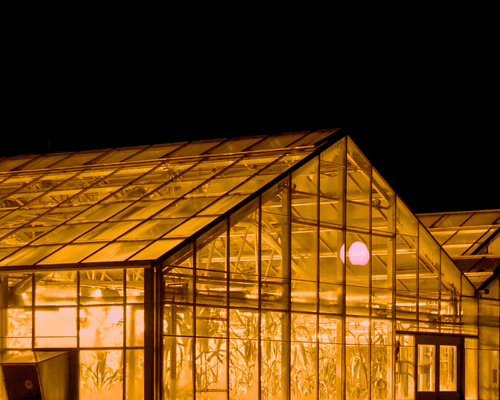
2) Energy efficiency and cost-effectiveness:
As grow lamps for crop production will be placed throughout the greenhouse, a considerable number of grow lamps need to be purchased. Because of this, selecting the right grow light from the very start is really important.
Additionally, factors such as energy efficiency and the long-term operational costs of plant lights need to be considered beforehand.
Moreover, energy-efficient lighting systems not only contribute to sustainable greenhouse practices but also help save costs over time. By investing in high-quality, energy-efficient grow lights, greenhouse growers can strike a balance between providing optimal light for plants and minimizing operational expenses.
3) Choosing between dynamic lighting or fixed spectrum grow lamps
3) Choosing between dynamic lighting or fixed spectrum grow lamps
Different plants and different stages of plant growth require specific light conditions to flourish. For instance, young plants need a different light spectrum than mature plants that are going to flower soon.
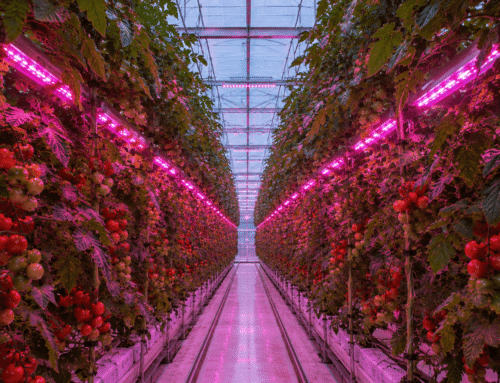
Besides fixed spectrum LED lights, dynamic LED lights also exist, making it possible to change the spectrum of the lights when the grower needs to. By choosing grow lights with an adjustable wavelength spectrum (using dynamic grow lights), greenhouse growers can gain precise control over the growth cycles of their plants.
Using a “light recipe” (specific wave lengths) during the growing period, a grower can enhance and develop specific plant characteristics. This could be inducing red pigments in lettuce to enhance its nutritional value with blue light, branch development or stimulating flowering.
Because the spectrum is adjustable, growers can also use the lamps for different crops, providing flexibility for the grower to decide what should be grown in the following crop cycles based on market demand.
Dynamic lighting, however, is more expensive. Therefore, the decision to include dynamic lighting in the greenhouse depends on the potential added value per greenhouse.
4) Heat generating lamps needed or little heat as possible?
4) Heat generating lamps needed or little heat as possible?
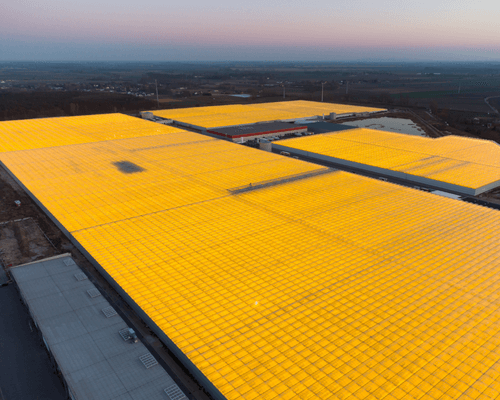
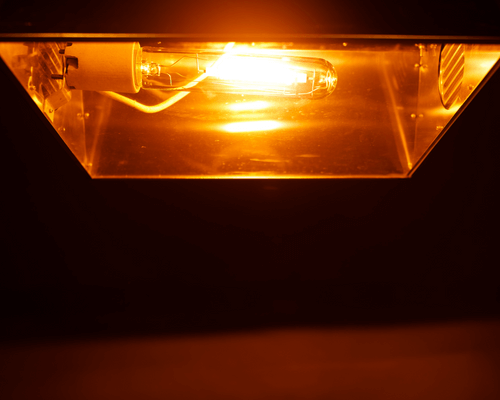
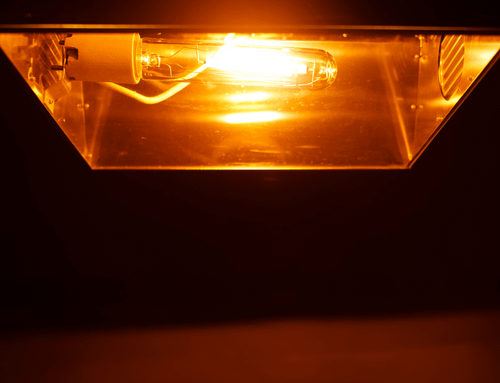
Even though more heat-generating lamps, such as High-Pressure Sodium Lamps (HPS lamps), are being replaced with non-heat-emitting lamps like LED lamps because they are more energy-efficient, it is worth considering the type of crop you are planning to grow before purchasing the lamps.
In some Nordic countries, such as Finland and Sweden, light that contributes up to 50% of the required heat in the greenhouse is not uncommon. In this situation, the heat-producing HPS lamps have dual functions. Using LED lamps results in a lower ambient growing temperature in the greenhouse, so this aspect should be taken into consideration. Another source of heat will need to be found if the high-heat-emission grow lights in these greenhouses in these regions are being replaced with less heat-emitting LED lamps.
Flowers need their heat
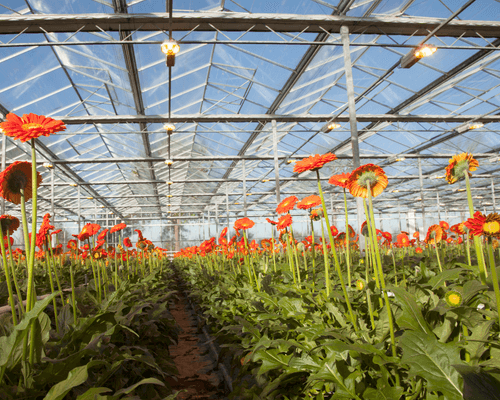
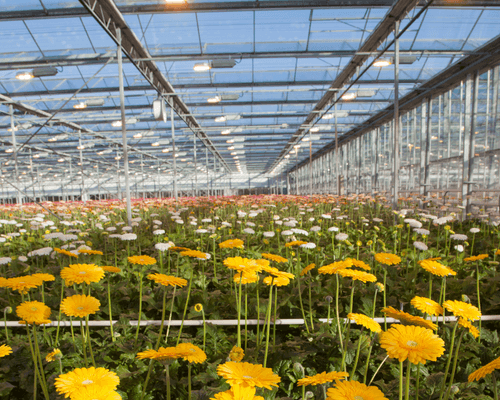
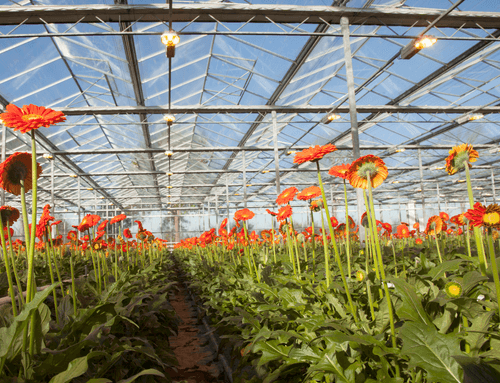
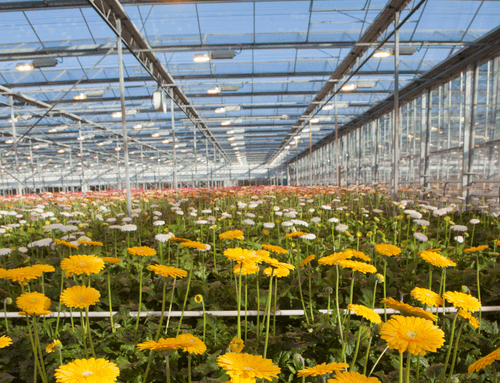
Also, for some crops such as the gerbera flower, it has been found that these plants need the radiant heat of HPS lamps to grow optimally in the Netherlands. LED lamps do not generate enough heat for gerbera flowers.
Therefore, Dutch growers use red/blue LED lights in combination with HPS lights to compensate for the reduction in heat.
As grow lamps for crop production will be placed throughout the greenhouse, a considerable number of grow lamps need to be purchased. Because of this, selecting the right grow light from the very start is really important.
Additionally, factors such as energy efficiency and the long-term operational costs of plant lights need to be considered beforehand.
Moreover, energy-efficient lighting systems not only contribute to sustainable greenhouse practices but also help save costs over time.
By investing in high-quality, energy-efficient grow lights, greenhouse growers can strike a balance between providing optimal light for plants and minimizing operational expenses.
5) Minimizing future operational costs & environmental impact
5) Minimizing future operational costs & environmental impact
Choosing energy-efficient, long-lasting grow lights will not only reduce the carbon footprint associated with greenhouse operations but will also contribute to a greener cultivation operation.
Using efficient grow lights helps reduce the energy costs of the greenhouse and diminishes the environmental impact at the same time. Choosing LED grow lights contributes to long-term greenhouse sustainability.
Copy the link of this article in 1 click:
Related Posts
About the Author: Yasmin